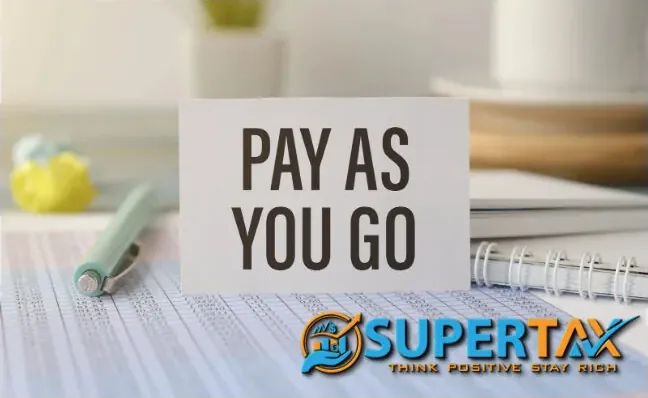
Pay As You Go (PAYG Instalments) are prepayments towards your annual income tax. While they help you manage tax throughout the year, there are times when your income or financial situation changes — and your instalments may no longer reflect your actual tax liability.
The good news? You can vary your PAYG instalments to better match your expected income tax.
What Are PAYG Instalments?
PAYG instalments are regular payments made to the Australian Taxation Office (ATO) based on your business or investment income. These payments reduce the amount of tax you need to pay at the end of the financial year.
However, if your income changes during the year, your PAYG instalments may become:
- Too high resulting in a refund later
- Too low leading to a tax bill at year-end
Should You Vary Your PAYG Instalments?
You may consider varying your instalments if:
- Your income has significantly increased or decreased
- Your business expenses have changed
- Your overall financial situation is different this year
Varying helps ensure you are paying closer to your actual tax liability, improving your cash flow.
Important: You are not required to vary your PAYG instalments.
Instalment Amount vs Instalment Rate
1. Instalment Amount Method
If you pay a fixed amount, you may need to vary if:
- Your income has significantly changed
- Your expected tax is higher or lower than estimated
2. Instalment Rate Method
If you calculate using a rate:
- Payments automatically adjust with income changes
- You only need to vary if your taxable proportion changes
Example: Income drops but expenses remain high
What Happens If You Don’t Vary?
After lodging your tax return:
- If you paid too much You’ll receive a refund
- If you paid too little You must pay the shortfall
What If You Underestimate PAYG Instalments?
Be careful when varying your instalments.
If your payments fall below 85% of your actual tax liability:
- You must pay the remaining tax
- You may be charged General Interest Charges (GIC)
- Additional penalties may apply
This is why accurate estimation is critical.
Varying PAYG Instalments After Disasters
If your income is impacted by events like floods or natural disasters:
You can vary your instalments based on expected income
No penalties if you make a reasonable estimate
A “reasonable effort” means estimating based on available information — just like an average taxpayer would do.
If you cannot pay:
- Lodge your instalment on time
- Contact the ATO for a payment plan
Special Note: Study or Training Support Loans
If you have a HELP/HECS or other study loan:
The PAYG calculator may currently overestimate your tax
This is due to recent repayment rule changes
Recommended:
- Estimate your tax manually
- Wait for updated calculator (expected from 1 July 2026)
When Can You Vary PAYG Instalments?
You can vary your PAYG instalments:
- When lodging your BAS or instalment notice
- Before the due date of that instalment
- Before lodging your annual tax return
The new variation will apply to all remaining instalments unless updated again.
Why Professional Advice Matters
Varying PAYG instalments may seem simple — but incorrect estimates can lead to:
- Unexpected tax bills
- Interest charges
- Cash flow issues
Getting advice from a tax accountant in Melbourne ensures your variation is accurate and compliant with ATO guidelines.
Final Thoughts
PAYG instalments are designed to help you manage tax throughout the year — but they should reflect your current financial reality.
If your income or expenses change, reviewing and varying your instalments can:
- Improve cash flow
- Avoid overpaying tax
- Reduce risk of penalties
CONTACT SUPERTAX
Website: https://supertax.com.au/
- Suite 1, 7 Bridge St, Werribee VIC 3030
- (03) 7074 8818
- info@supertax.com.au
This article contains general information only and does not take your personal circumstances into account. Tax and superannuation rules change, and some measures discussed may be subject to legislation. Speak with a registered tax agent before acting.
Need advice on your situation?
Book a free 15-minute consultation with a registered tax agent at Supertax.